What Is the Scandinavian Sleep Method? And Could It Help Prevent “Sleep Divorce”?
By Bénédicte Pelletier
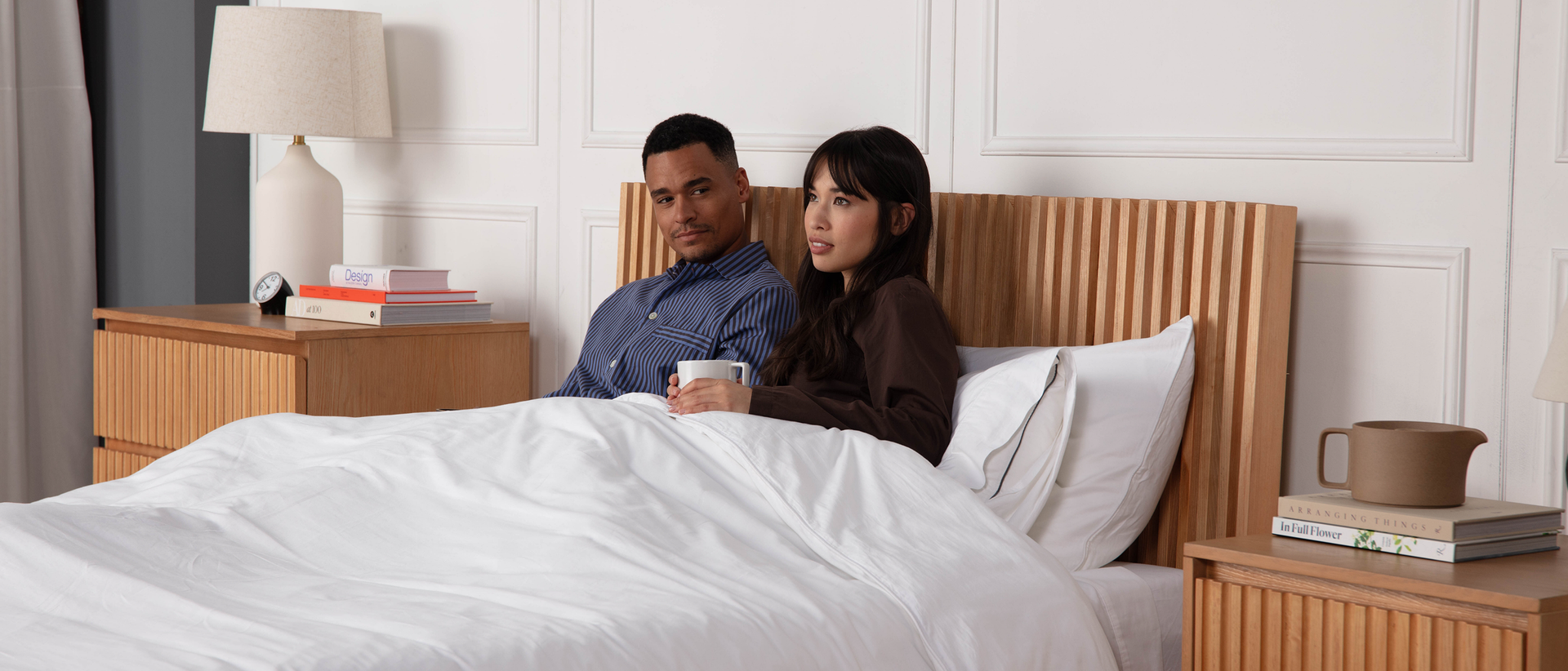
More couples are talking about sleep than ever before — not just how much they get, but how they sleep together. As awareness grows around the connection between sleep quality, mental health, and relationship health, a new term has entered the conversation: sleep divorce. Sleep divorce refers to couples choosing to sleep in separate beds or rooms due to sleep disruptions like snoring, overheating, movement, or mismatched schedules. But before couples part beds, many couples looking for a practical way to sleep better together are trying the Scandinavian sleep method: sharing one bed with two separate duvets instead of one. First used for years in Nordic countries, the Scandinavian sleep method is now gaining popularity far beyond them for helping couples stay close while reducing temperature and motion-related sleep disruptions. This guide explains how it works, the common sleep issues it can ease, how the right mattress can support it, and a few simple bedding tips (such as the Endy Duvet).
What is the Scandinavian Sleep Method (AKA, Using Separate Duvets)?
The Scandinavian sleep method is a common sleep practice where couples share one bed but use two separate duvets instead of one shared blanket. It may seem like a small, low-cost change, but using individual duvets can lead to improved sleep quality by improving sleep comfort, temperature regulation, and partner sleep compatibility — three of the biggest benefits for couples dealing with nighttime disruptions.For many couples, it supports emotional and physcial intimacy because they stay in the same bed while using separate bedding.
Why Couples Are Turning to the Scandinavian Sleep Method for Improved Sleep Quality
Many of the sleep disruptions that push couples toward sleeping apart aren’t about emotional distance — they’re about comfort.A recent Endy study* found:
25% of Canadians cite movement during the night as their biggest partner-related sleep disruption
20% say temperature differences are the most disruptive factor
Sharing one duvet can intensify these problems. Body heat builds, covers get pulled away by a bed partner’s movement, and one partner wakes up sweating while the other is cold. Over time, these small nightly disruptions affect sleep quality, mood, and relationship satisfaction. The Scandinavian sleep method directly addresses one of the most common relationship sleep issues: temperature and blanket conflicts. Each partner chooses their own duvet warmth and weight, which helps:
Reduce overheating
Prevent blanket stealing
Limit movement disruption from covers
Improve overall sleep comfort
It can also help if partners have different bedtime routines or schedules.
How The Scandinavian Sleep Method Supports Couples Before a “Sleep Divorce”
Sleep divorce often happens when couples feel they must choose between closeness and quality rest.For some couples, sleeping in separate rooms is simply a normal choice. Using separate duvets is a practical compromise if you do not want to sleep separately or move to different rooms. Couples can stay in the same bed while improving shared sleep quality, reducing sleep disturbances, and protecting their relationship from the strain of poor sleep. Each couple can choose what suits their relationship and daily life, but it’s a small shift that supports better sleep compatibility without creating emotional or physical distance. If you decide to change you setup after a poor night’s sleep, talk and discuss it openly so it does not feel like rejection or lead to relationship problems.
Pairing the Scandinavian Sleep Method With the Right Mattress
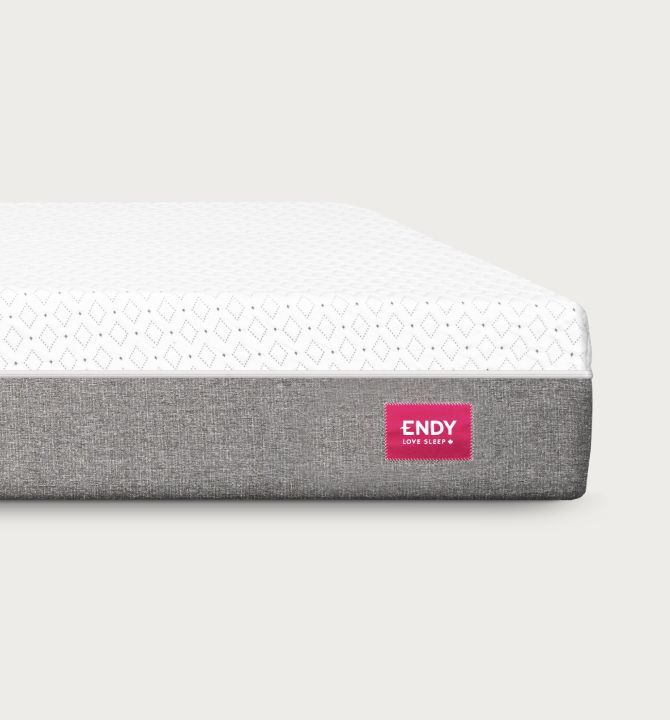
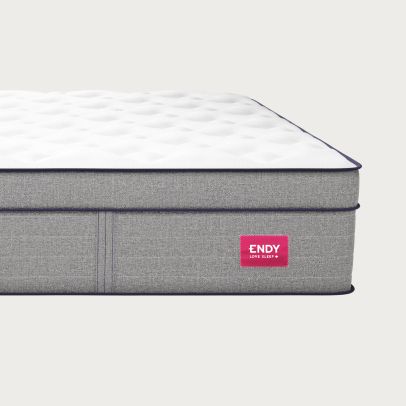
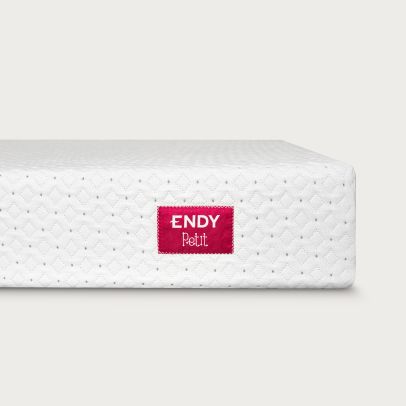
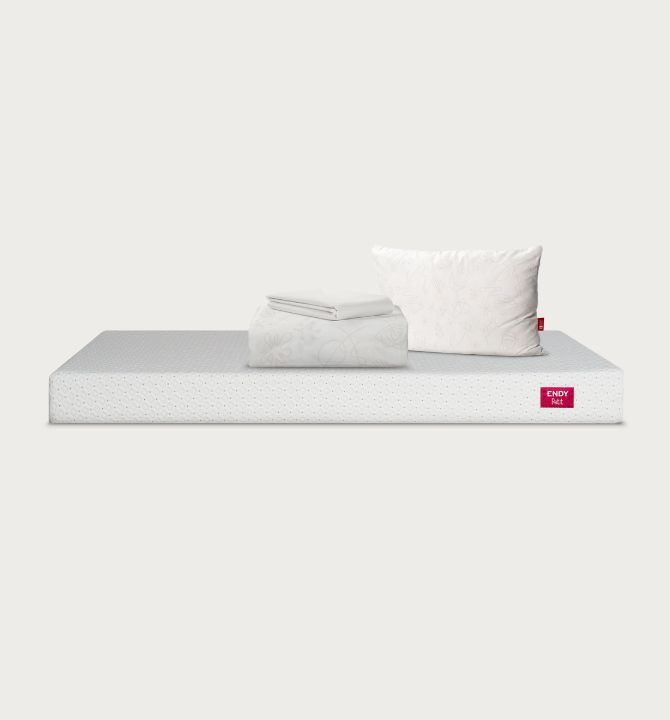
While separate duvets help with temperature control and blanket battles, the mattress plays a major role in reducing partner sleep disruptions. The Endy Mattress and Endy Hybrid Mattress are designed to help couples sleep better together, featuring:
Motion-isolating foam to reduce disturbances from tossing and turning
A cooling gel-infused layer to help regulate temperature and prevent overheating
Together, these features support deeper, more restorative sleep — even for partners with different sleep habits.
Try the Scandinavian Sleep Method at Home
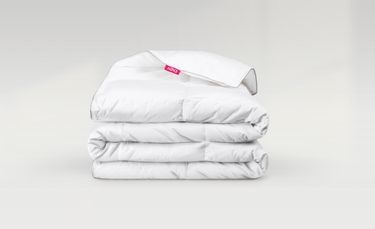
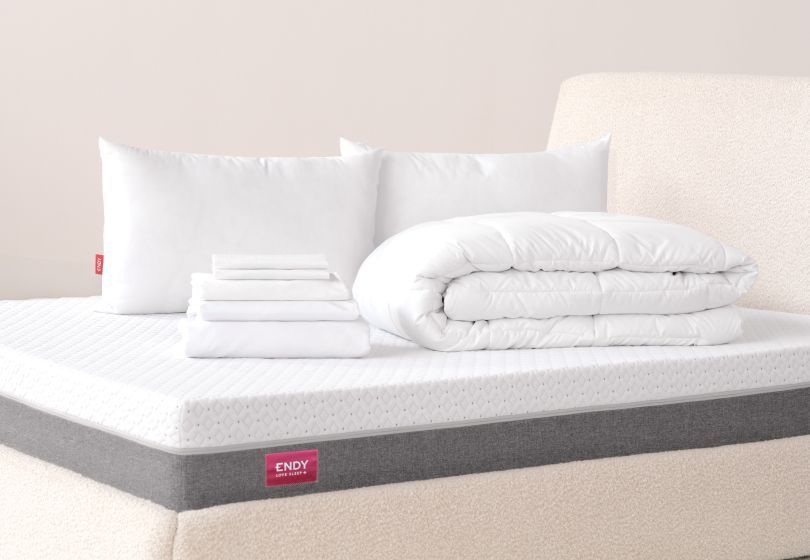
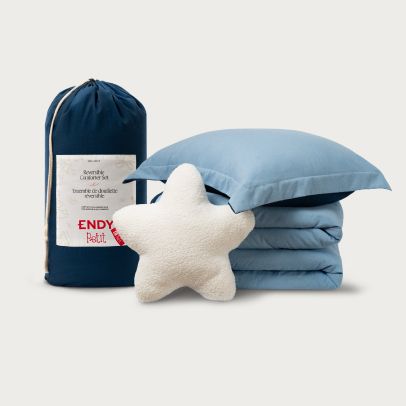
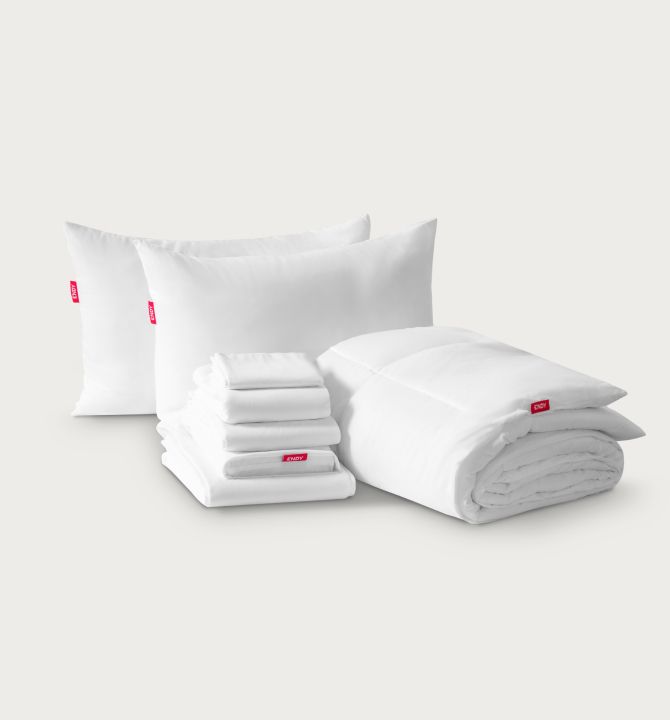
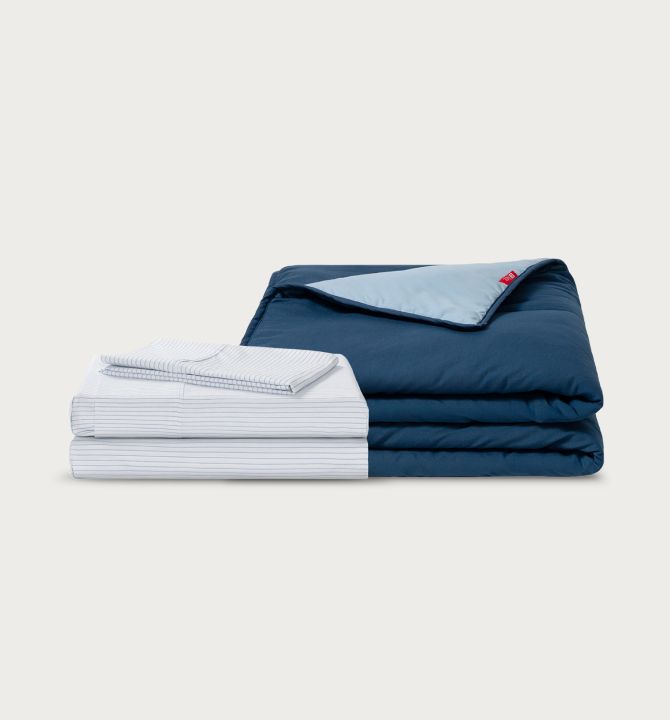
To make it easier for couples to try this approach, Endy is offering a limited-time BOGO duvet promotion from February 2–14 using code VAL-26-DUVET-BOGO. Buying two duvets allows each partner to customize their comfort level — a simple, practical way to improve shared sleep without moving to separate beds. A common setup uses two single duvets placed side by side on one bed, with each duvet covering half the bed. On smaller beds, single duvets can overlap slightly in the middle. For larger shared beds, two Twin XL duvets are a practical option.
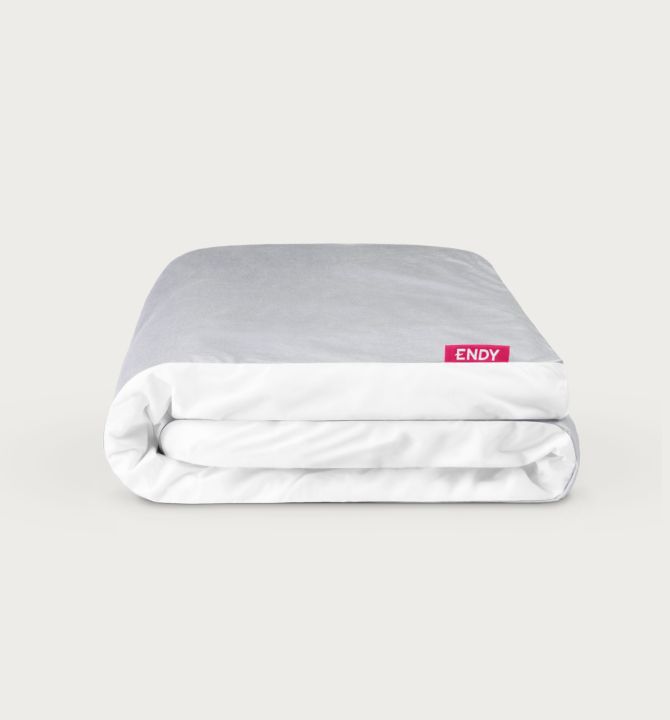
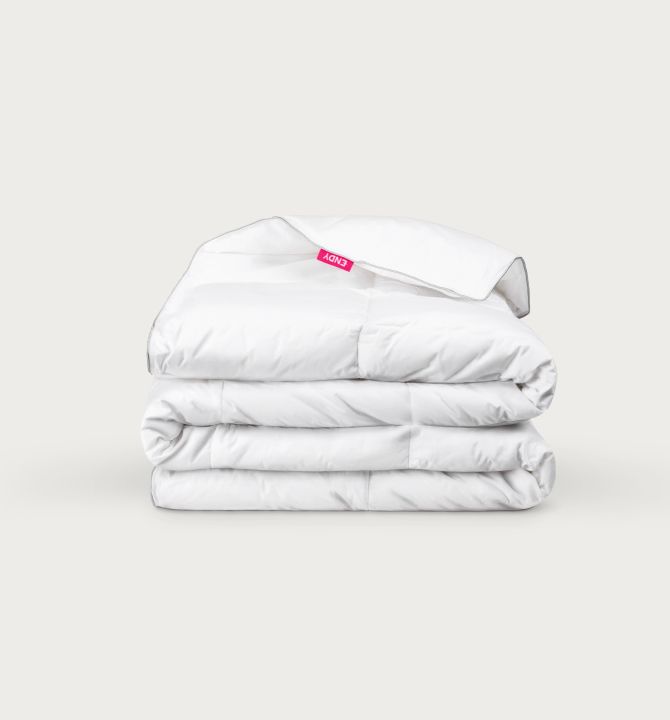
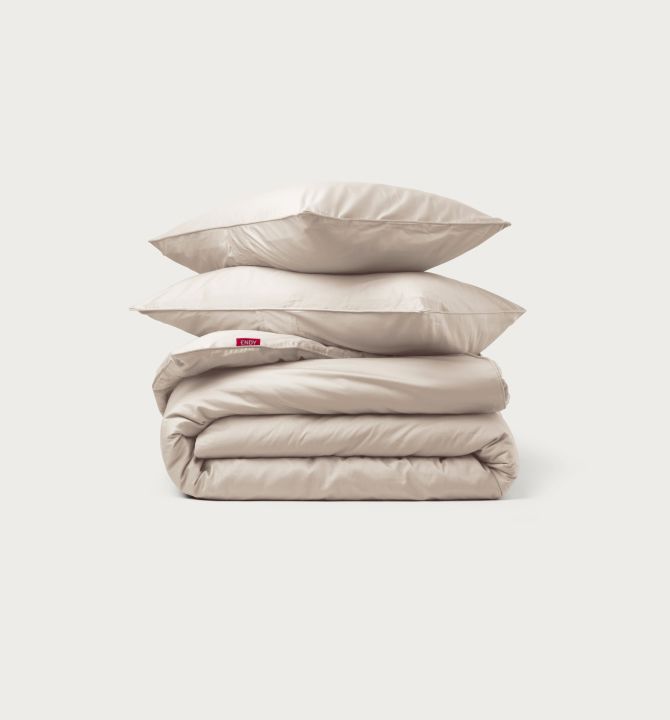
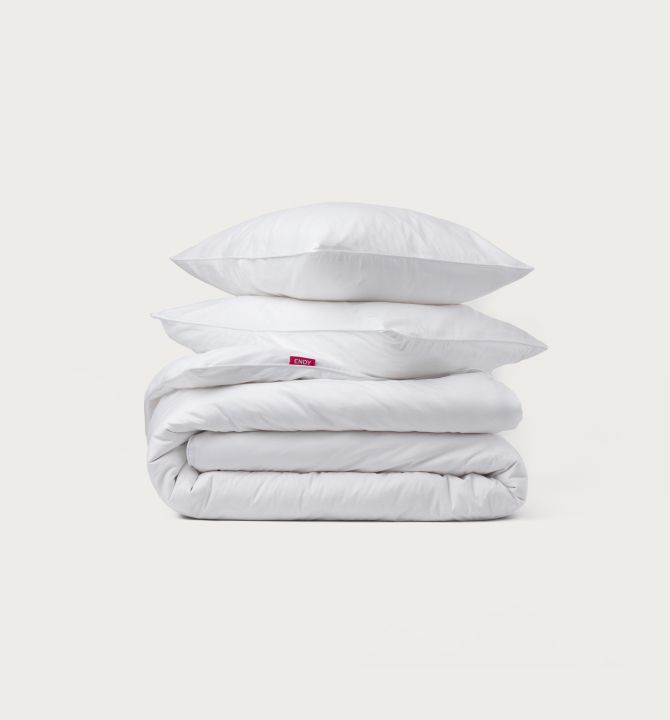
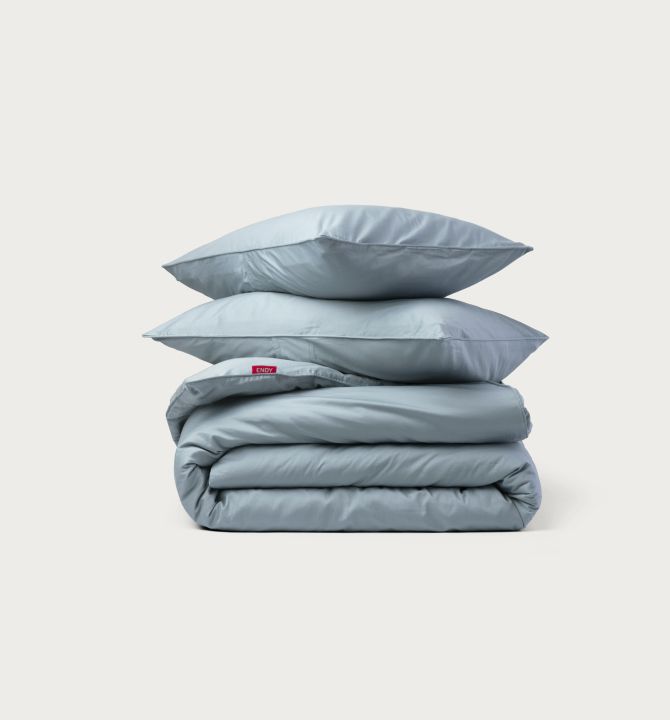
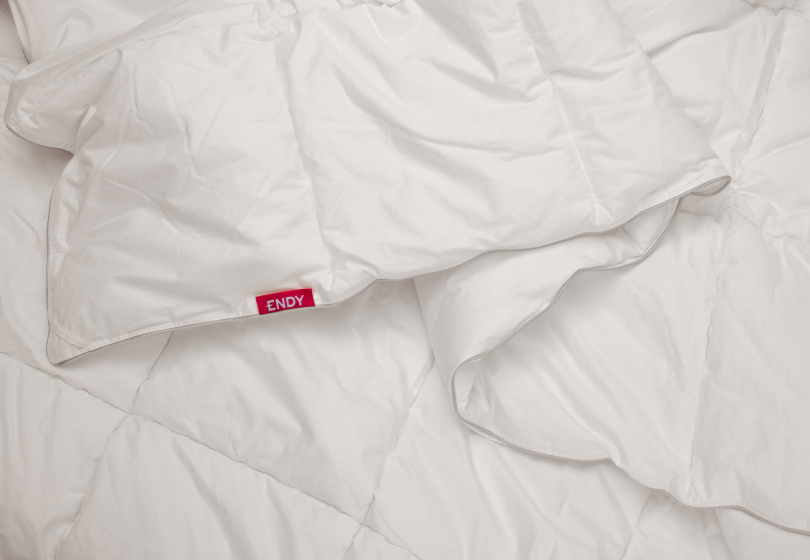
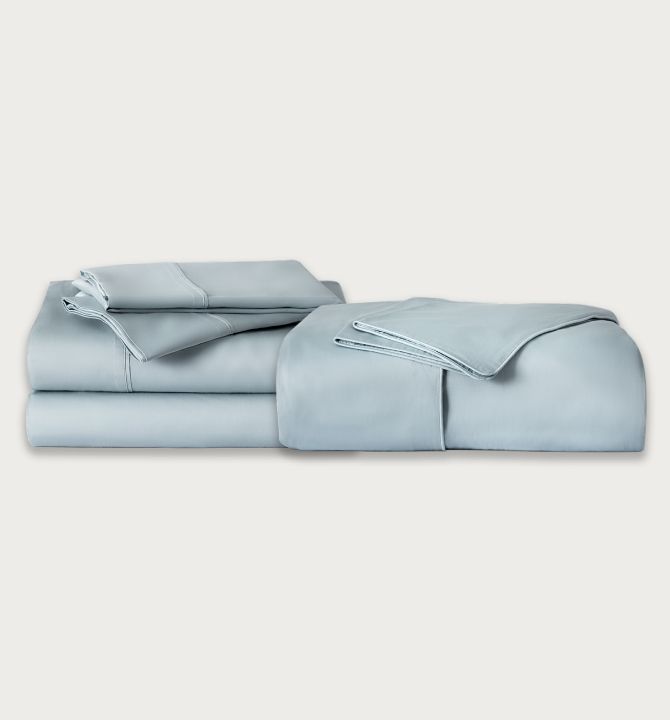
Made with premium down alternative fill and 100% cotton shell for year-round comfort in every Canadian season.Shop the Endy Duvet
Because sometimes, better sleep together isn’t about more space — it’s about smarter solutions. The Scandinavian sleep method shows that better shared sleep doesn’t always require separate bedrooms. Often, improving sleep compatibility, temperature regulation, and movement control can make a meaningful difference.Before considering sleep divorce, small changes like using separate duvets and a mattress designed to reduce partner sleep disturbances can help couples stay close while getting the restorative sleep they both need. *These findings are from a survey conducted by Endy from January 16th to January 18th, 2026, among a representative sample of online Canadian respondents 18 years of age or older who were randomly recruited using LEO’s online panel. The survey was conducted in English and French.

 Mattresses